
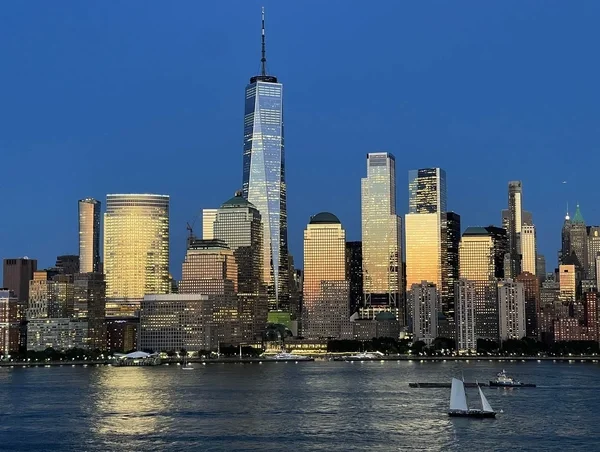
Everything feels more expensive in New York right now because, in many cases, it is—and those price increases have “stuck” instead of reversing. The surge of inflation in recent years raised the baseline for everyday services, and ongoing pressures like higher labor, insurance, and demand have kept prices elevated. In New York, those national trends sit on top of an already premium cost of living. Yet even in this environment, demand to live and invest here remains remarkably strong, which says a lot about the value people still see in the city.
From $25 Haircuts to $60 Buzz Cuts
For years, there were two things you could reliably get at a reasonable price in New York: laundry and barber services. In my early days in the city, living in a Chelsea walk‑up with no laundry in the building and working long hours, I became a devoted drop‑off‑laundry person. It was inexpensive, efficient, and I loved the way everything came back perfectly folded.
Barber services, however, tell a different story today. Despite being somewhat hair‑deficient, I still need to visit the barber regularly—more often, in fact, with a buzz‑cut style. For a long time, I paid $25 plus a 20% tip for a simple #1 head and beard clipper cut. It’s not an elaborate service. Today, that same basic haircut is almost double the price.
During Covid, like many people, I started tipping more to support small businesses and that habit has stayed with me. The result is a small but telling example: what used to be a $30 experience now routinely costs closer to $60, and that change has not unwound.
The Problem Isn’t Just Inflation—It’s “Sticky” Inflation
At the highest level, the explanation is straightforward: inflation. But what most people feel in daily life is not just inflation; it’s what economists call “sticky” inflation.
During the peak inflation cycle in 2022, consumer prices rose at the fastest pace in more than 40 years, ultimately topping out above 9%. Since then, inflation has cooled into the 3–4% range. That might sound like good news, but it’s important to understand what it really means.
A lower inflation rate does not mean prices have come back down. It just means they are rising more slowly. The significant step‑up in prices already happened—and in many categories, that new level has stayed. The barber example is a perfect illustration: once the price moved from roughly $30 to $60, it never snapped back to where it started.
Why Prices Are Still High: A Few Key Drivers
Several forces are keeping prices elevated even as headline inflation moderates:
- Higher labor and insurance costs: Businesses face higher wages and insurance premiums, and those costs are passed through to consumers.
- Supply chain disruptions and permanent shifts: Supply chain issues did not simply “return to normal” in all sectors. In some cases, companies restructured how they operate in ways that are more resilient but also more expensive.
- Post‑Covid demand for experiences and luxury: After Covid, demand for travel, dining, and luxury goods surged. Anyone who has tried to buy a Rolex watch or a distinctive Hermès bag over the last few years understands this: availability is limited and waiting lists are long. That kind of demand supports higher pricing.
Layer all of that together and you get a new pricing reality that feels very different from only a few years ago.
Then there is the New York City effect.
National coverage often focuses on the cost of groceries. As a New Yorker, it can be hard to relate to that as the primary pain point. Not because groceries are inexpensive here—far from it; everyone accepts they are exceptionally high—but because they are just one part of a much larger cost structure required to live in the city.
Housing, transportation, childcare, dining, cultural experiences—New York tends to sit at the upper end of the spectrum in almost every category. A glass of wine at a restaurant that once felt like a small indulgence is now $20 or $30. Entrées at $50 or $60 are no longer reserved for Michelin‑starred rooms. They are common in many restaurants that simply offer a good meal and an enjoyable evening.
New York has always been more expensive than the average American city, and in many cases more expensive than its global peers. That is not new. What has changed is the baseline. The “new normal” is simply higher.
And yet—and this is the part I find both fascinating and heartening—people are not leaving en masse. They are still coming. They are staying. They are investing.
From Cost to Value: What Are We Really Paying For?
At some point, any honest conversation about New York has to shift from cost to value.
New York delivers value in a way that is very hard to replicate. This is a city where you can walk out your front door—literally walk—and choose between world‑class dining or the best diner breakfast you have ever had; where Broadway, off‑Broadway, opera, ballet, and live music are within a short radius; where you can spend an afternoon at a museum that people travel across the world to see, then end your day simply watching the city go by from a bench in Central Park.
The energy is constant. The opportunities are extraordinary. The diversity of people, ideas, and cultures creates something that does not exist in quite the same way anywhere else. It is where industries are built, careers accelerate, and creativity finds both audience and inspiration.
There is a rhythm to New York—a pace, a level of engagement with life—that is difficult to explain but instantly recognizable once you have experienced it. And yes, there is a price attached to that. For many people, that price remains a trade‑off they are willing, even eager, to make.
What I See in the Real Estate Market
In my work, I see this trade‑off play out in a very concrete way.
Many of the people I represent are at the top of their industries. They could build a life in any number of global cities. They look at options in London, Miami, Los Angeles, international hubs. But they choose New York because of what it offers—personally, professionally, and culturally.
Even in a period when everything feels more expensive, the demand to live and own here is remarkably resilient. There is certainly sensitivity to price: very few people are immune to higher costs. But when it comes to deciding where to live, work, and invest, price is rarely the only, or even the primary, factor. The decision is about what you receive in return—whether the life you can live in a given place feels worth the investment.
By that measure, New York continues to stand in a category of its own.
What This Means If You’re Thinking About Buying or Selling
If you are feeling the sting of higher everyday costs, you are not alone. It is rational to ask whether now is the right time to make a major real estate decision in New York.
A few thoughts to keep in mind:
- Look beyond the headline number. A purchase price or monthly carrying cost should be considered alongside the life you are building and the opportunities the city offers.
- Focus on value, not just cost. The right home in the right building and neighborhood can support your lifestyle, career, and long‑term plans in ways that are difficult to quantify but very real.
- Take a long‑term view. New York has weathered many cycles. Through each one, people who believed in the city and bought thoughtfully have been rewarded over time.
If you are evaluating whether it makes sense to buy, sell, or simply stay where you are and watch the market, an informed conversation tailored to your situation can be helpful.
A Next Step, If You’d Like One
If you are thinking about making a move—or you are simply trying to make sense of what value looks like in this new pricing environment—I am always happy to talk through it. Understanding how the broader economic picture, local market dynamics, and your own priorities fit together is the first step toward making a decision that feels right for you.
New York will likely remain an expensive city. But for many people, it also remains an extraordinary one. The question is not just what it costs, but what it gives back.