

Twenty-five years ago, the question of whether Lower Manhattan had a future as a neighborhood was not rhetorical. It was urgent, and the honest answer was uncertain.
The attacks of September 11, 2001 took thousands of lives, destroyed the World Trade Center complex, damaged surrounding buildings and businesses, displaced residents and workers, and left a wound in the city that went far deeper than the physical. In the months that followed, serious people asked serious questions about whether major companies would remain downtown, whether anyone would want to live there, and what, exactly, should be built on that site.
What happened over the next 25 years is one of the most remarkable urban transformations in American history.
Lower Manhattan today is a place where tens of thousands of New Yorkers live, where restaurants and bars fill up at night, where children go to school, where tourists fill the streets alongside residents who chose the neighborhood deliberately. The population of the area has doubled since 2000. The residential housing stock has more than doubled. More than 24,000 residential units have been added since September 11 — more than the approximately 21,000 that existed in total before that day. In 2025, Lower Manhattan recorded its strongest year for office leasing since 2019. In the second quarter of 2026 alone, 1.14 million square feet of office space was leased, 26 percent more than the previous quarter.
None of that was inevitable.
It is worth understanding what Lower Manhattan was before considering what it became. For much of modern New York history, downtown was where you went to work, not where you went to live. Hundreds of thousands of people poured in every weekday morning and poured back out at the end of the day. At night and on weekends, significant portions of the Financial District were nearly empty. The neighborhood’s identity was entirely commercial, and by the latter half of the 20th century, that identity had calcified.
The transformation had actually begun before September 11. A growing supply of older office buildings was becoming less desirable to modern commercial tenants, and New York began encouraging their conversion to residential use through tax incentives. The neighborhood was already changing, slowly, when the attacks accelerated both the urgency and the scale of what would follow.
The rebuilding was not simply a restoration. The 9/11 Memorial and Museum, One World Trade Center, the Oculus, Brookfield Place, the reinvention of the Seaport and Pier 17, the conversion of the historic Temple Court building into the Beekman hotel and residences — each of these represented a deliberate decision about what kind of neighborhood Lower Manhattan would become. Not just a financial center rebuilt. Something new. An integrated business, residential, and cultural neighborhood where the lines between living, working, and visiting are increasingly blurred.
This matters beyond Lower Manhattan because it answers a question that comes up repeatedly in conversations about New York real estate: are neighborhoods permanent? Do their identities hold?
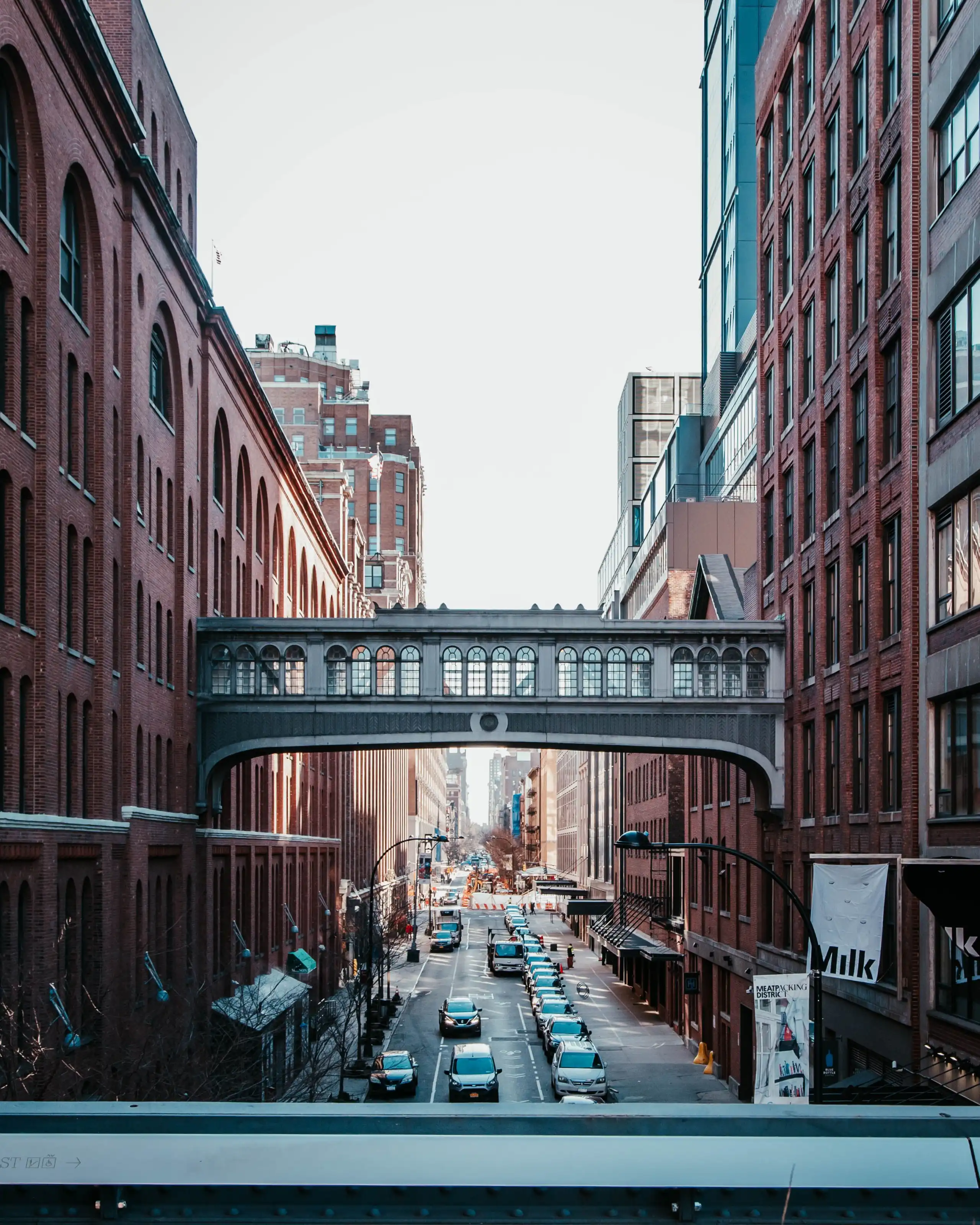
The evidence says no, and the examples are everywhere. SoHo went from manufacturing to artists to some of the most expensive residential and retail real estate in the world. The Meatpacking District went from meatpacking to nightlife, fashion, and luxury real estate. West Chelsea evolved from warehouses and industrial buildings into an international art district surrounded by some of the city’s most architecturally significant residential buildings. Hudson Yards was built over active rail yards. Lower Manhattan is perhaps the most dramatic example of all, but it is part of a pattern that defines how New York has always worked.
Neighborhoods are not static. Their physical shells — the buildings, the streets, the blocks — can appear permanent. What happens inside them is anything but.
Today marks 25 years since a day that changed Lower Manhattan, New York City, the country, and thousands of lives forever. It is first and foremost an anniversary for remembrance — of those who were lost, and of the families whose lives were changed permanently.
But there is also something worth recognizing in what followed. Lower Manhattan did not just rebuild. It reinvented. And New York, as it has done throughout its history, refused to be defined by what happened to it.
I would not bet against New York under any circumstances. And the last 25 years are exactly why.
Social Cookies
Social Cookies are used to enable you to share pages and content you find interesting throughout the website through third-party social networking or other websites (including, potentially for advertising purposes related to social networking).