

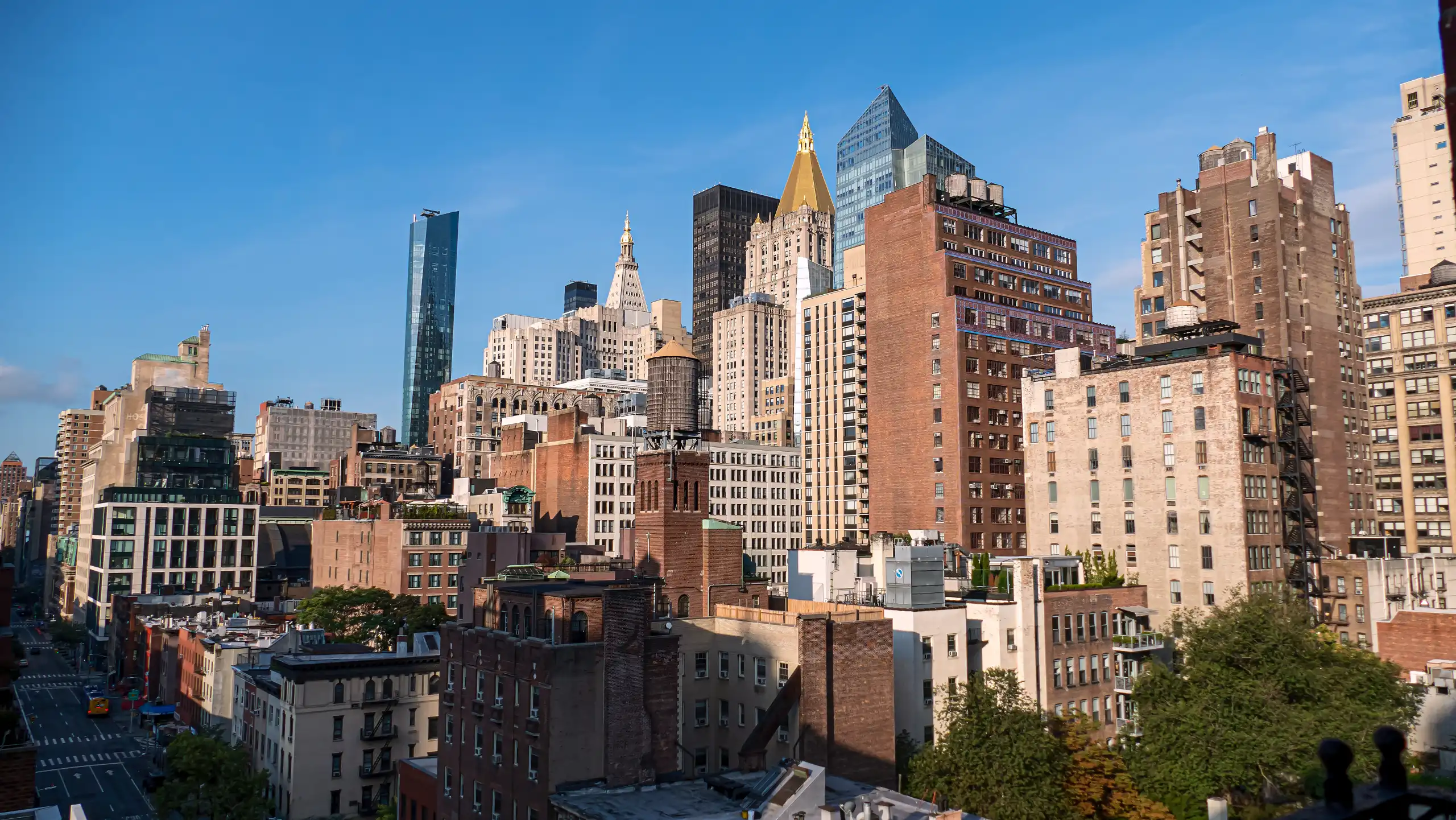
As of mid-2026, the median home sale price in Manhattan, NY sits around $1,450,000, with properties spending roughly 84 days on the market. That’s a lot of capital to pull together before you even get to closing costs, especially for first time home buyers in Manhattan. There’s currently an 8.2-month supply of inventory, which at least gives you some breathing room to line up financing before you make an offer – but you still need to walk in prepared.
First time home buyer programs exist specifically to take some of that upfront pressure off. State and municipal initiatives offer grants, favorable loan terms, and tax credits to qualified applicants. Program guidelines dictate exactly how you can apply these funds to your purchase.
State and City Grants for Manhattan Buyers
The New York State Housing Finance Agency (HFA) is a public benefit corporation created in 1960. It operates jointly with the State of New York Mortgage Agency (SONYMA) under the umbrella of NYS Homes and Community Renewal (HCR), and these state-level entities provide the bulk of the funding available to buyers here.
New York County doesn’t have its own separate county-level program. You’re working with a combination of statewide SONYMA offerings and municipal grants managed by the city.
New York State Housing Finance Agency Options
SONYMA’s Down Payment Assistance Loan (DPAL) is available to buyers using a SONYMA first mortgage. For 2026, the enhanced DPAL PLUS program provides a 0% interest loan of up to $30,000 toward your initial down payment.
There’s a catch: the DPAL PLUS is capped at buyers earning 60% of the Area Median Income (AMI). Talk to your loan officer early to confirm you’re under that threshold before you build your plans around it.
City-Level Grants from NYC HPD
The New York City Department of Housing Preservation and Development (HPD) runs the HomeFirst Down Payment Assistance Program, which provides qualified first-time buyers with up to $100,000 toward a down payment or closing costs. It’s serviced on HPD’s behalf by Neighborhood Housing Services of NYC (NHSNYC) and the Center for NYC Neighborhoods.
HomeFirst funds can be applied to 1-4 family homes, condominiums, or co-ops in any of the five boroughs. Before you get too far down the road on a specific building, verify that it actually accepts this type of municipal funding – not every property does.
How Assistance Programs Work
Most down payment assistance doesn’t arrive as a straightforward cash payment. It typically comes as a deferred payment loan or a forgivable grant, and that structure determines whether you’ll ever need to pay it back.
Read the specific terms of any program before you sign anything. Some require you to stay in the home for a set number of years or the repayment clock starts running.
Down Payment Assistance and Forgivable Loans
Down Payment Assistance (DPA) reduces the cash you have to bring to the closing table. Under HomeFirst, the assistance functions as a forgivable loan – the balance decreases over time as long as you’re living in the home as your primary residence.
Stay for the required duration and the debt is gone entirely. Sell or refinance before that period ends and you’ll generally owe the money back.
Closing Cost Help and Tax Credits
DPA funds can often be applied directly to closing costs as well, which helps cover lender fees, title insurance, and municipal transfer taxes. Keeping those costs off your savings account matters more than most buyers realize until they’re staring at the closing disclosure.
You may also qualify for a Mortgage Credit Certificate (MCC). That converts a portion of your annual mortgage interest into a direct federal tax credit – reducing your tax liability each year and freeing up income to handle monthly payments.
Who Qualifies for These Programs
New York County falls within the New York, NY HUD Metro FMR Area, which includes the Bronx, Queens, Kings, Richmond, Putnam, Rockland, and Westchester Counties. The Department of Housing and Urban Development (HUD) uses this region to set annual income limits.
Qualifying means hitting specific financial benchmarks. Underwriters will verify your income, household size, credit scores, and the purchase price of the property you’re buying.
Income and Household Size Limits
Eligibility scales with the number of people in the household. For 2026, the NYC Area Median Income (AMI) base figures cap a one-person household at $97,000. A two-person household is capped at $110,850, a three-person household at $124,700, and a four-person household at $138,550. Underwriters calculate this using the combined income of all adults who will live in the property.
Purchase Price Caps
Programs also cap how much the home can cost. For the NYC HPD HomeFirst program, maximum purchase price limits are based on HUD guidelines and vary by borough and property type. As of late 2025, the maximum for a single-family home in Manhattan was $612,000, while Brooklyn allowed up to $699,000. HPD notes these limits remain in effect until HUD issues new ones.
How to Apply for Assistance in Manhattan
Before you can receive HomeFirst funds, you have to complete a HUD-certified education course. It’s a requirement, not a suggestion, and it exists to make sure buyers genuinely understand the long-term costs of owning a home.
The process involves coordinating between a participating lender and the local housing agency. Get your program eligibility confirmed before you start submitting offers.
Finding an Approved Lender
Not every bank or mortgage broker participates in state and city grant programs. To access SONYMA or HPD funds, you need a lender approved by those specific agencies.
Your lender handles the standard underwriting for the FHA or conventional mortgage while simultaneously submitting the assistance paperwork to the city or state. Ask upfront whether your loan officer has actually closed HomeFirst or DPAL PLUS loans before – there’s a real difference between someone who knows the process and someone who’s figuring it out alongside you.
Completing Homebuyer Education
Manhattan buyers have several local options for fulfilling the mandatory counseling requirement. HPD-approved and HUD-certified agencies serving the borough include the Abyssinian Development Corporation on West 131st Street and Harlem Congregations for Community Improvement on West 153rd Street. The NHS of NYC Homeownership Center on West 37th Street and the Housing Partnership Development Corporation on West 35th Street are also approved. You need to finish the coursework and obtain your certificate of completion before funds are released.
Frequently Asked Questions
What are the income limits to qualify for first-time home buyer assistance in Manhattan?
Lenders evaluate your eligibility against HUD thresholds by totaling the earnings of every adult who will live in the apartment. Because these calculations include all household members regardless of who applies for the mortgage, ask your loan officer to verify your exact standing before you start touring properties.
Can I use NY first-time home buyer programs to purchase a Manhattan co-op?
While municipal grants legally permit purchases in co-op buildings, individual boards maintain the final say over acceptable financing structures. Ask your real estate agent to filter your search specifically for buildings with a track record of approving government assistance.
How much down payment assistance is available for first-time buyers in Manhattan?
City initiatives offer the highest potential payout, but they operate under different income thresholds than state-level options. Your loan officer will evaluate your mortgage structure to determine which combination of grants maximizes your upfront cash.
Do Manhattan co-op boards generally accept SONYMA loans or down payment grants?
Securing a state or city grant does not override a building’s independent financial requirements. Buyers still need to prove they can meet the specific cooperative’s baseline standards for approval, regardless of where their down payment originates.
How much extra time does it take to close on an apartment using a first-time buyer program?
Adding a government agency to your transaction introduces a secondary underwriting process that happens alongside your primary mortgage approval. Because the city or state must review your file and issue separate paperwork, expect a longer contract period than a standard conventional purchase.
Are there resale restrictions or recapture rules if I use a first-time buyer grant in NYC?
Program administrators enforce occupancy rules to ensure you maintain the apartment as your primary residence for the full duration of the agreement. If you decide to list the property or restructure your mortgage early, the outstanding grant balance gets paid out of your closing proceeds.
Social Cookies
Social Cookies are used to enable you to share pages and content you find interesting throughout the website through third-party social networking or other websites (including, potentially for advertising purposes related to social networking).