

Key Takeaways
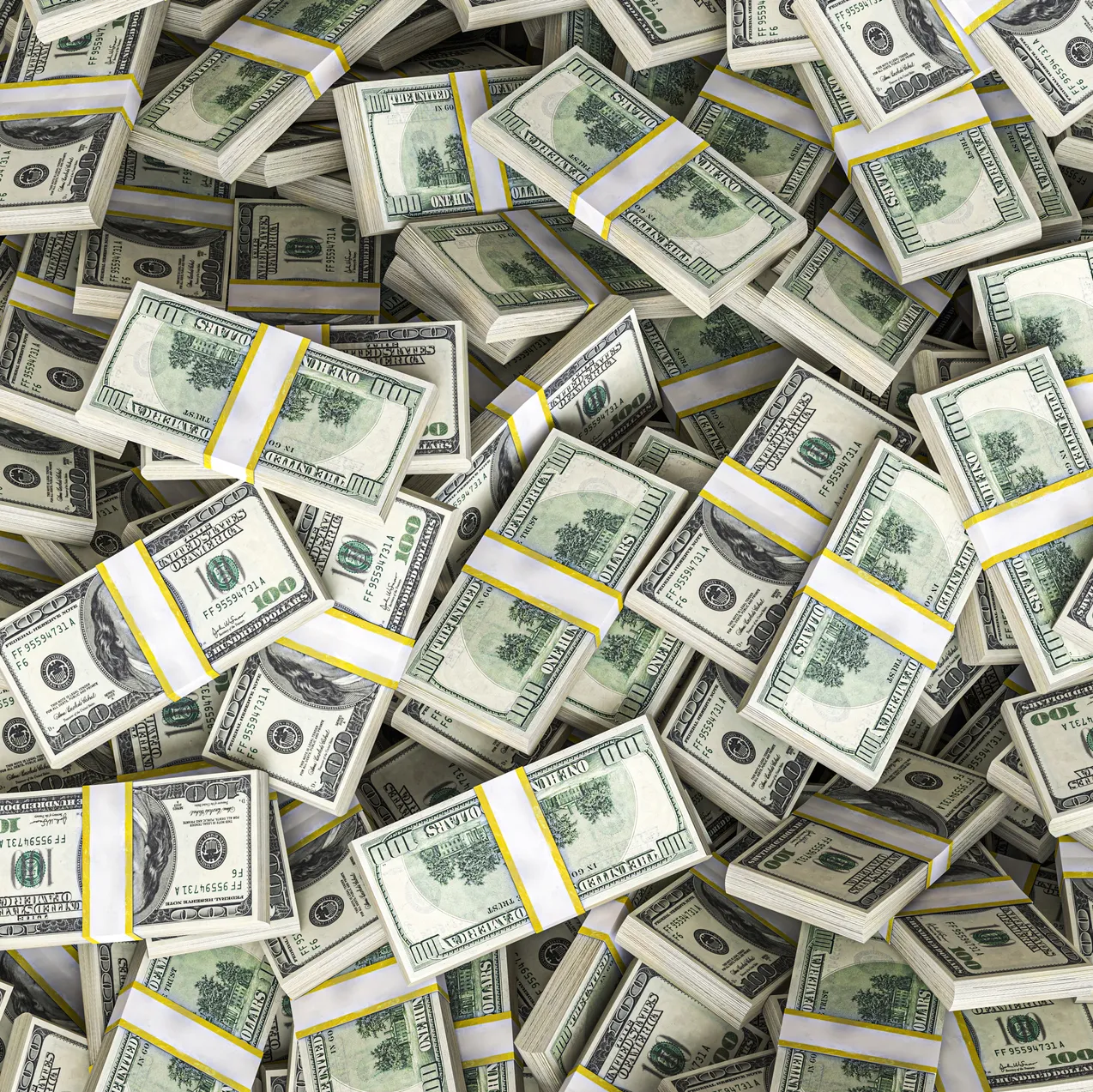
- Purchasing Power vs. Nominal Value: Due to inflation, $1 million today carries the purchasing power of roughly $86,000 compared to 1960.
- Real Estate as an Inflation Shield: Fixed-rate mortgages allow homeowners to lock in housing debt while repaying loans with future dollars eroded by inflation.
- The NYC “Mansion Tax” Anomaly: Unadjusted for inflation since its 1989 implementation, New York’s 1% minimum tax threshold now impacts entry-level, one-bedroom apartments rather than luxury estates.
The Declining Purchasing Power of $1 Million
The nominal benchmark of $1 million still carries psychological weight. However, economic inflation and the time value of money have systematically altered its true purchasing power.
Money held today retains greater value than money received in the future because capital in hand can be invested to compound, whereas static capital degrades alongside inflation.
At a steady 3% annual inflation rate, a $1 million purchase today will require roughly $1.8 million in 20 years. Conversely, $1 million received two decades from now will carry the purchasing power of approximately $550,000 in today’s dollars.
How Fixed-Rate Debt Reverses the Impact of Inflation
While inflation erodes cash holdings, it can act as a financial tailwind for real estate assets financed with fixed-rate debt.
When purchasing property with a fixed-rate mortgage, mortgage principal and interest obligations remain static over a 15- or 30-year term. While housing costs remain locked, the dollars used to service that debt lose relative value over time.
| Financial Variable | Impact on Fixed-Rate Homeowner |
| Debt Service | Locked: Monthly payment remains fixed over time. |
| Purchasing Power | Declining: Future dollars become cheaper to earn. |
| Asset Value | Variable: Physical property value typically tracks or exceeds inflation long-term. |
| Risk Profile | Transferred: The lending institution bears the inflation risk on the fixed return. |
The Evolution of the NYC Real Estate Market & “Mansion Tax”
The shift in nominal currency value is visible throughout the Manhattan residential real estate market.
In 1989, New York State enacted the “Mansion Tax”—a 1% tax on residential property purchases of $1 million or more. When the tax was established, $1 million represented a luxury purchase, as the median sales price of a Manhattan apartment in the early 1990s hovered around $300,000.
Had the 1989 tax threshold been adjusted for inflation, the trigger price would sit near $2.7 million today. Because the baseline tax tier remained static at $1 million while median prices rose past $1.25 million, standard entry-level one-bedroom co-ops and condos now regularly trigger the tax.
Frequently Asked Questions
How does real estate act as a hedge against inflation?
Real estate represents a physical, limited-supply asset. As general price levels increase, the replacement cost of building improvements and land values typically rises, preserving capital purchasing power over multi-year holding periods.
Who pays the Mansion Tax in New York City?
In NYC residential real estate transactions, the buyer pays the Mansion Tax at closing on properties priced at $1,000,000 or greater. Rates scale progressively from 1.0% up to 3.9% depending on the purchase price.
Navigating Manhattan Real Estate Decisions?
Evaluating property valuation, market entry points, and capital preservation strategies requires localized, data-driven analysis.
Social Cookies
Social Cookies are used to enable you to share pages and content you find interesting throughout the website through third-party social networking or other websites (including, potentially for advertising purposes related to social networking).