

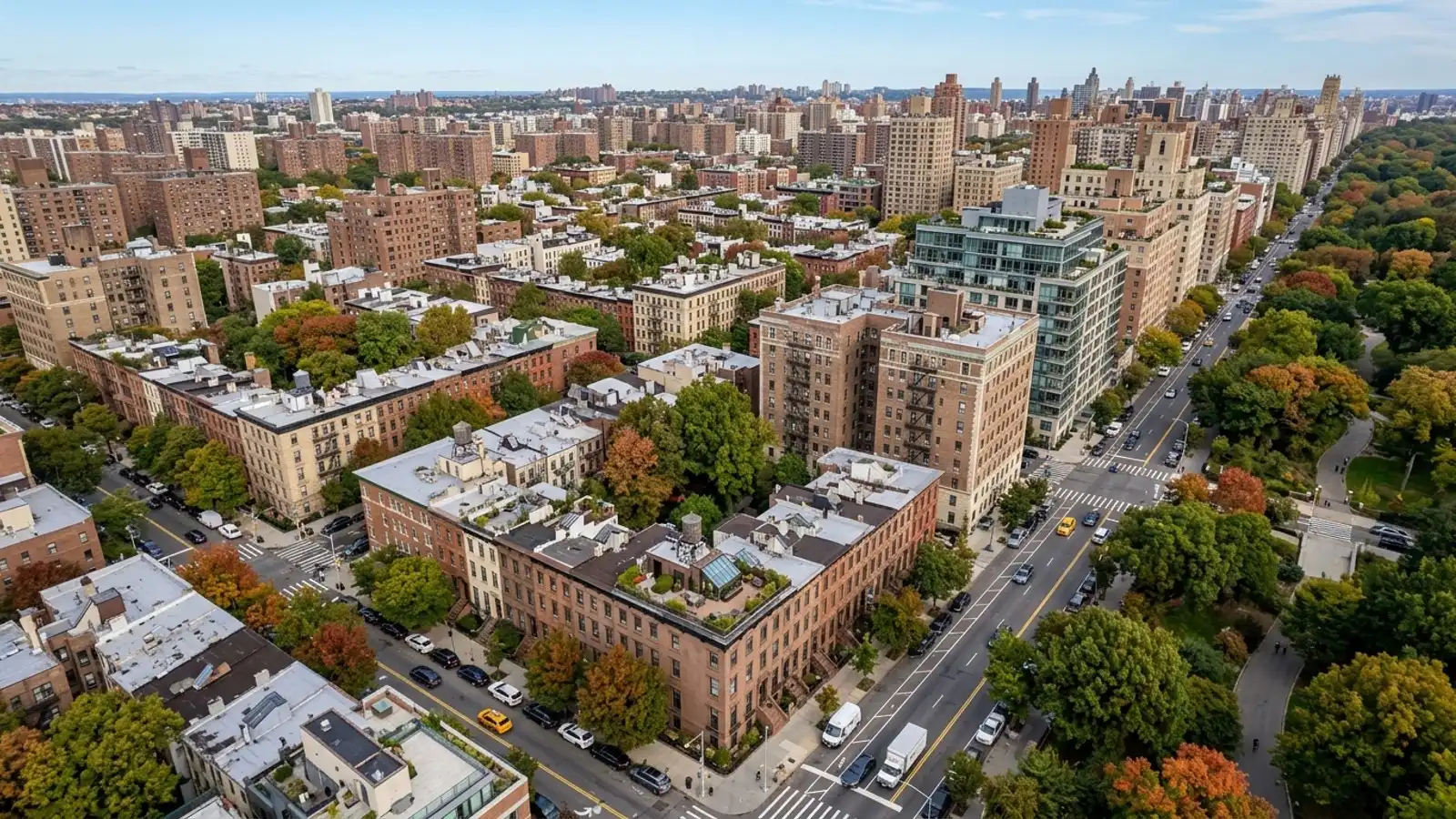
The median sale price for a home in Manhattan, NY sits around $1,450,000 right now. That’s a strong number, but a strong market doesn’t mean a fast or easy sale – traditional listings still demand time, preparation, and the right buyer willing to meet that price.
There are roughly 5,715 homes available in the area at the moment, which means real competition among sellers for buyer attention. If you need to move a property without waiting out a prolonged listing period, a cash sale gets you to the closing table without the usual detours.
How the Expedited Cash Sale Process Works
A traditional sale in this market takes about 84 days just to get a buyer under contract – and that’s before the weeks it takes to clear a mortgage and finalize title. Cash buyers cut out the financing contingency entirely, which means no lender stepping in at the last minute to kill a deal you’ve been nursing for three months.
It starts with a direct evaluation of your property as it sits today. No staging, no professional photography, no open houses. Investors buy as-is, so you skip all of it.
Requesting a Property Evaluation
You submit your property details – location, square footage, current condition – and the buyer uses that information to arrive at a baseline value for the apartment or building.
From there, you’ll typically get a preliminary cash offer without any obligation to move forward. It’s just a number on the table for you to consider.
Setting Your Closing Date
No bank underwriting means no bank setting your calendar. You pick a closing date that works for your situation – two weeks if you need to move fast, a month out if you want time to organize your things.
That flexibility matters more than people expect. When you’re coordinating a move in Manhattan, having control over the timeline removes one very significant variable.
Comparing Cash Offers to Traditional Manhattan Listings
On the open market, the median time to contract is 84 days. During that stretch, you’re maintaining the property, scheduling showings, and fielding buyers who may ask for concessions before they’ll commit.
And when you do close, seller closing costs in New York County typically run between 8% and 10% of the purchase price. That’s a serious cut out of your final proceeds before you’ve even started talking about broker fees.
Skipping Repairs and Renovations
A traditional listing often means painting, updating plumbing, refinishing floors – whatever it takes to justify asking price. Cash buyers purchase the property exactly as it stands, regardless of cosmetic wear or structural issues.
That saves you the capital you’d otherwise spend upfront on renovations. It also means you’re not managing contractors while simultaneously trying to pack up and plan your next move.
Avoiding High Closing Costs
Broker commissions on a standard sale generally run 4% to 6% of the final sale price. Add NYC and NYS transfer taxes on top of that, and the numbers add up fast.
Direct cash sales typically eliminate agent commissions. You’ll still owe certain municipal transfer taxes – that doesn’t disappear – but cutting out broker fees keeps a larger share of the sale price with you.
Areas We Purchase Homes Throughout New York County
Manhattan covers more than 40 standard zip codes, running from the Financial District all the way up to Inwood. We review and purchase properties across the entire borough, so wherever your property sits in New York County, there’s a clear path to a cash offer.
Whether you’re in 10001, 10012, or 10128, the evaluation process is the same. The offer is based on the specific metrics of your immediate neighborhood – not a generic estimate.
Serving Every Manhattan Zip Code
Our coverage includes all major residential zones – 10002, 10009, 10011, 10023, 10025, and beyond. If the property is within Manhattan boundaries, it qualifies for a direct cash offer regardless of condition.
We also evaluate homes in adjacent New York City boroughs when owners hold multiple properties. For landlords looking to liquidate a regional portfolio at once, that kind of consolidated coverage simplifies the whole process considerably.
Purchasing Various Property Types
Manhattan’s housing stock is a mix of co-ops, condos, and townhouses, and each comes with its own paperwork and procedural requirements. Cash buyers know how to handle the specifics of each building structure.
Strict subletting rules, pending assessments, complicated board situations – investors factor those details into the initial offer rather than turning them into negotiating problems at the eleventh hour.
Request Your Free Home Evaluation Today
With around 5,715 homes sitting in active inventory right now, skipping the traditional market is a reasonable call for any seller who values speed over the ceiling price. Getting started takes a few minutes and just the basics about your property.
You can find out what a cash buyer will pay without signing a contract or paying anything upfront. Submit your details and you’ll have a clear picture of what your options actually look like.
Submitting Your Property Details
Provide your address, property type, and an honest description of the current condition – including any repairs that are needed. The more straightforward you are, the more accurate the preliminary offer will be.
Once the details are reviewed, you get a cash proposal. From there, it’s your call on whether the timeline and number make sense for your situation.
Planning Your Next Steps
If you accept, the process moves into a brief title check and the necessary legal paperwork. There are no appraisals to schedule and no lender-mandated repairs to deal with.
You pick a date, sign the documents, hand over the keys, and the funds transfer directly to you.
Frequently Asked Questions
How much should I expect to pay in seller closing costs, broker fees, and flip taxes in Manhattan?
In Manhattan, sellers typically pay between 8% and 10% of the purchase price in closing costs. This includes broker commissions, which run about 4% to 6%, alongside NYC and NYS transfer taxes. Buyers face their own costs, such as the NY State Mansion Tax of 1% to 3.9% on purchases over $1 million.
How long does it typically take to sell and close on an apartment in Manhattan, NY?
Traditional listings currently spend an average of 84 days on the market before securing a buyer. After going under contract, closing can take an additional 30 to 60 days depending on mortgage underwriting and co-op or condo board approvals. A direct cash sale bypasses the marketing period and financing delays, closing much faster.
What happens to the contract deposit if my buyer gets rejected by the co-op board?
It depends entirely on the terms written into your specific sales contract. Most standard New York real estate contracts include a board approval contingency, meaning the buyer’s deposit is returned if the co-op board denies their application. You should review your contract language to confirm how deposits are handled.
Am I legally required to hire a real estate attorney to sell my property in New York?
Yes, it is standard practice and effectively required to use a real estate attorney for property transactions in New York. Your attorney will draft the contract of sale, review title reports, and represent you at the closing table. Even in a fast cash sale, legal representation ensures your interests are protected.
Is it better to sell my Manhattan apartment vacant or pay for professional staging?
It depends on your timeline and budget. Staging can help traditional buyers visualize the space, but it requires upfront cash and delays your listing date. If you sell directly to a cash buyer, you can skip staging entirely and sell the property exactly as it is.
How does a Manhattan condo building’s right of first refusal impact my ability to close a sale?
A right of first refusal gives the condo board the option to purchase your apartment on the same terms agreed upon with your buyer. While boards rarely exercise this right, they must issue a waiver before you can finalize the sale. This administrative step adds a few weeks to your closing timeline.
Social Cookies
Social Cookies are used to enable you to share pages and content you find interesting throughout the website through third-party social networking or other websites (including, potentially for advertising purposes related to social networking).