

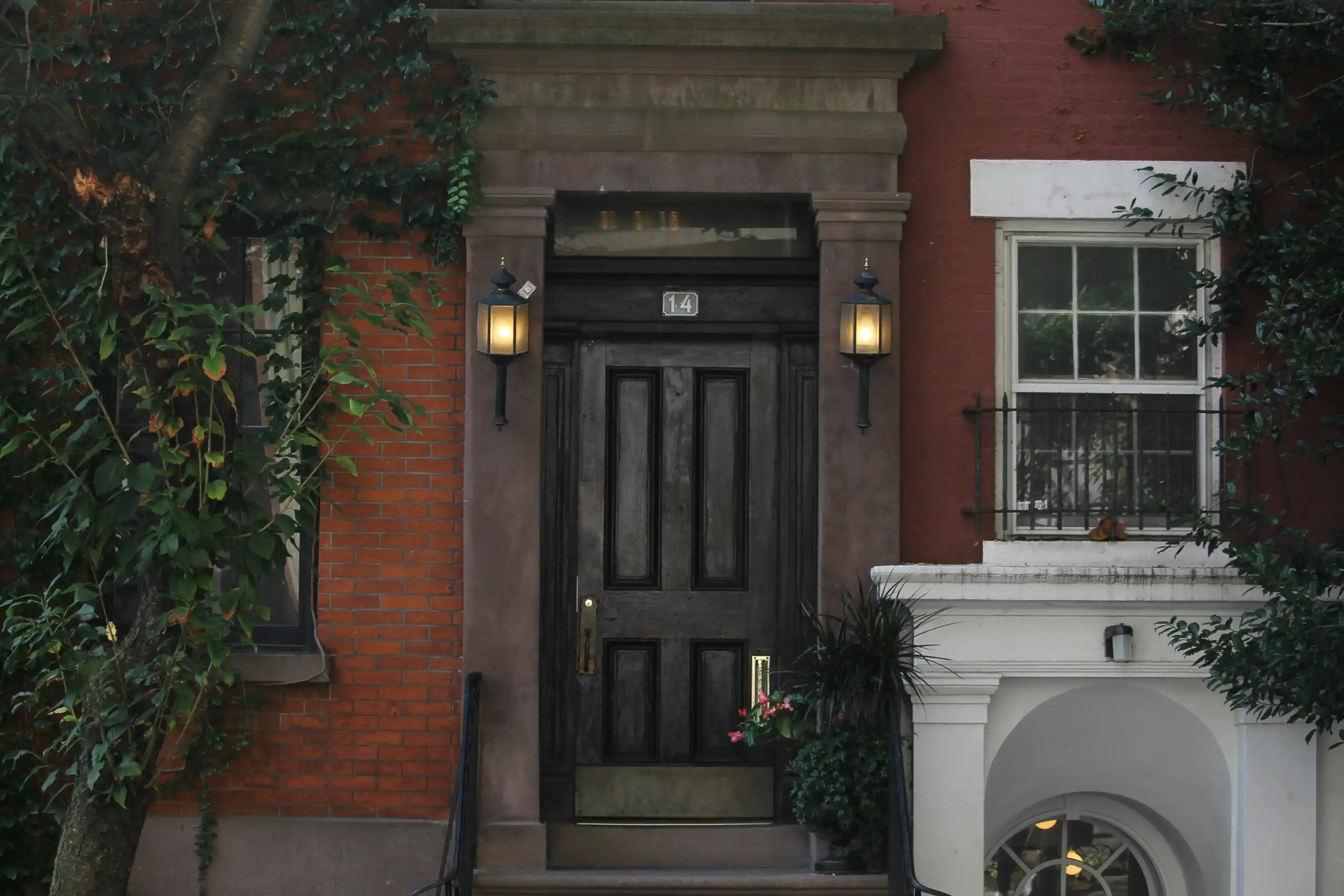
In the third quarter of 2026, Manhattan apartments took an average of 90 days to go from list date to signed contract, according to The Corcoran Report for Manhattan, while Brooklyn homes averaged 71 days, according to Corcoran’s Brooklyn report. Once you accept an offer, StreetEasy suggests planning on about two months to close when the buyer is financing. Below I walk through each stage, from preparing your apartment to closing day, and where co-ops and condos differ.
How long does it take to sell an apartment in NYC right now?
Based on the latest quarterly data, the average Manhattan apartment went into contract 90 days after it was listed, and the average Brooklyn home went into contract in 71 days. The Corcoran Report for the third quarter of 2026 says Manhattan’s average fell 13% from 104 days a year earlier, the ninth straight quarter of shorter marketing times and the quickest since 2022. Corcoran measures days on market from the list date to the contract date, and it leaves new development out of the figure.
Brooklyn moved quickly too. Corcoran reported that days on market fell to 71, the shortest third-quarter marketing time since 2022, even as Brooklyn inventory rose 21% from a year earlier to 2,033 listings.
| Market (third quarter of 2026) | Average days on market |
|---|---|
| Manhattan, all resale | 90 |
| Manhattan resale co-ops | 88 |
| Manhattan resale condos | 93 |
| Brooklyn | 71 |
Source: The Corcoran Report, Manhattan 3Q 2026, and Corcoran’s Brooklyn Real Estate Market Report: 3Q 2026 (October 8, 2026).
What are the stages of selling an apartment in NYC, and how long does each take?
A NYC sale moves through five stages: preparing to list, marketing until you sign a contract, the buyer’s financing, board or condo review, and closing. Days on market only covers the second stage, so the full timeline from your first call with a broker to closing day is longer than the headline number.
| Stage | Typical time | Source |
|---|---|---|
| Preparing to list | Depends on the work your apartment needs | See below |
| List date to signed contract | 90 days in Manhattan, 71 days in Brooklyn (3Q 2026 averages) | Corcoran |
| Contract of sale reviewed by the lawyers | One to two weeks | StreetEasy |
| Buyer’s mortgage commitment | 30 to 45 days | StreetEasy |
| Co-op board decision (buildings of 10 or more units) | 15 days to confirm the package is complete, then 45 days to decide | Int. 1120-B, via Pryor Cashman |
| Condo right of first refusal waiver | A few days to a month | StreetEasy |
| Board approval to a firm closing date | About one to two weeks | StreetEasy |
Preparation is the stage you control most. In my experience, a few weeks of focused work before the photographs are taken pays for itself, because the first impression is the one that sets the pace. I wrote more about that in Do You Only Get One Chance to Debut a Manhattan Listing?
Does selling a co-op take longer than selling a condo?
Not on the market itself: in the third quarter of 2026, Manhattan resale co-ops went into contract in 88 days on average, compared with 93 days for resale condos, according to Corcoran. The difference shows up after the contract is signed.
A co-op buyer has to be approved by the board, which means a full financial package and usually an interview. StreetEasy notes that the co-op board interview process can take anywhere from a few weeks to a few months. A condo building typically only has to waive its right of first refusal, which StreetEasy says can take between a few days and a month.
Has the new co-op board deadline law shortened the timeline?
For many co-op sales, yes: under Int. 1120-B, boards in buildings with 10 or more units must tell the buyer within 15 days whether the application is complete, then decide within 45 days after it is complete. According to Pryor Cashman’s February 10, 2026 summary, the law applies to purchase applications submitted on or after July 28, 2026.
A few details matter for planning:
- If the board does not send the 15-day acknowledgment, the application is deemed complete.
- The board may extend the 45-day deadline once, by up to 14 days, if it sends email notice before the original deadline runs out. The buyer can also agree to more time.
- Deadlines pause during a summer recess, but only if the co-op has adopted a written notice naming the July and August dates when the board does not meet.
- The law does not cover condos, HDFC co-ops, buildings with fewer than 10 units, or co-ops supervised by government housing agencies. Brick Underground also lists Mitchell-Lama co-ops as excluded.
- Missed deadlines bring fines of $1,000 for a first violation, $1,500 for a second, and $2,000 after that, enforced by the city’s Department of Housing Preservation and Development. A missed deadline is not an automatic approval.
The law puts a clock on the board. It does not guarantee a yes. How these deadlines fit with the dates in your contract is a question for your real estate attorney.
Does the price of your apartment change how long it takes to sell?
Yes: in Manhattan in the third quarter of 2026, apartments priced from $3 million to $5 million sold fastest, at 78 days, while apartments over $5 million took the longest, at 113 days, according to Corcoran. Marketing time fell in every price range from a year earlier, and the $3 million to $5 million range dropped by 29 days.
Location matters as well. Corcoran’s Manhattan averages ranged from 78 days on the West Side to 109 days in Midtown, with the East Side at 89 days and Downtown at 84 days. I track these numbers every quarter in The Franco Report.
Why do some apartments take longer to sell than the average?
The most common reason an apartment sits is price. When the asking price is ahead of the comparable sales buyers can already see online, they wait, and every week on the market makes the next buyer more cautious.
An average is a midpoint, not a promise. Condition, presentation, the building’s finances, an upcoming assessment, and the time of year can all add weeks. The fix is almost always the same: price the apartment for its debut, present it well, and have the building documents ready before the first showing.
I explain how pricing, the debut window, and days on market work together in this short video.
What do I tell my clients about planning a sale timeline?
I tell sellers to plan backward from the date they need to be out, and to leave more room than the averages suggest. A realistic plan has a cushion at every stage, because the stages after the contract depend on other people: the buyer’s lender, the managing agent, and in a co-op, the board.
- Start preparing before you list, not after the first weekend of showings.
- Price for the debut. The first weeks bring the most attention your listing will ever get.
- Hire your real estate attorney early, so the contract goes out quickly once you accept an offer.
- If you are buying your next home, line up both timelines before you list. Owners moving between boroughs can start with my Manhattan vs. Brooklyn comparison.
If you are thinking about selling in Manhattan or Brooklyn this winter or spring, request a confidential property evaluation and I will walk you through a realistic timeline for your building. For the numbers behind the market every quarter, sign up for The Franco Report.
About the author. Michael J. Franco is a top producing broker at Compass with more than 20 years of experience as a broker, attorney, and investor. The Wall Street Journal and Real Trends ranked him number 13 in Manhattan and number 100 in the United States.
This post is for general information and is not financial, legal, or tax advice. Compass is a licensed real estate broker. Equal Housing Opportunity.
Social Cookies
Social Cookies are used to enable you to share pages and content you find interesting throughout the website through third-party social networking or other websites (including, potentially for advertising purposes related to social networking).