

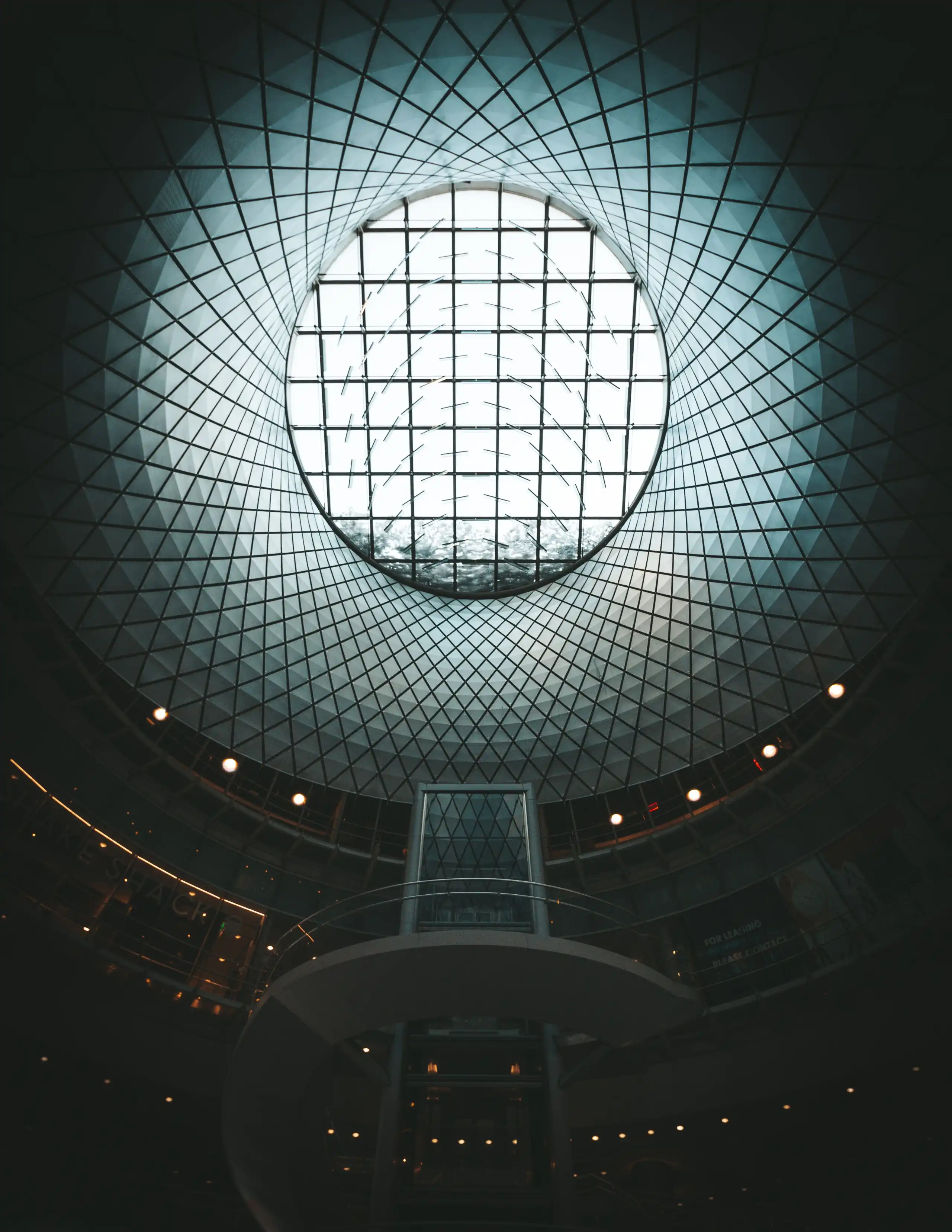
Manhattan is coextensive with New York County in New York State – sitting at the urban core of the Tri-State area, a metropolitan region of roughly 19.9 million people. If you’re buying here, or already live here, the pros and cons of living in Manhattan are tied to how that density translates directly into what your daily life looks like: global landmarks out your front door, major cultural institutions within walking distance, and more public green space than most people expect from one of the world’s most built-up boroughs.
The market reflects that demand. As of mid-2026, the median sale price in Manhattan sits around $1,450,000, with roughly 5,715 available listings and an average of 84 days on the market. The borough’s actual offerings – beyond the postcard version – help you understand what you’re really paying for.
Top Attractions and Experiences Across the Borough
When people talk about living here, the architecture comes up almost immediately. Several of the most recognizable structures in the United States are within a short walk of each other, and you share those sidewalks with tourists from around the world every single day. That’s either fine or it isn’t, depending on the buyer.
What doesn’t get mentioned as often: the cultural institutions are just as extraordinary as the landmarks, and residents who figure out how to use them on their own schedule – weekday mornings, early evenings – get a completely different experience than the weekend crowds do.
The Empire State Building
Opened in 1931 on Fifth Avenue, the Empire State Building is a 102-story Art Deco skyscraper and, realistically, the one structure most people picture when they think of this city. It’s a genuine landmark – not in the marketing sense, in the architectural sense. If you’re new to the borough, it also functions as a reliable point of orientation while you’re getting your bearings.
The tourist traffic is real. But walking past it on a Tuesday morning when the light hits the upper floors a certain way is something you don’t get tired of.
Museums and Cultural Institutions
The Metropolitan Museum of Art and the Museum of Modern Art anchor the borough’s museum scene, and both carry permanent collections alongside rotating international exhibits. Residents who pick up local memberships tend to treat them the way other people treat a neighborhood coffee shop – somewhere you drop into on a quiet Wednesday afternoon when you have an hour.
That’s the actual advantage of living here. These aren’t places you visit once. They’re places you use.
Exploring Downtown and Local Shopping Districts
Downtown Manhattan runs on a different logic than the grid further north. The street layout shifts, the architecture gets older and more irregular, and the feel of the neighborhoods changes block by block. You’ll find boutique shopping, historic townhomes, and smaller public squares packed into a relatively tight geography.
If you’re looking at properties in these lower neighborhoods, walkability to the commercial corridors is worth prioritizing – the density of retail and dining here is one of the things that makes the location work.
Greenwich Village and Washington Square
Greenwich Village has a reputation as the bohemian and cultural heart of Downtown Manhattan, centered around Washington Square Park and NYU. The residential architecture is distinct – historically layered in a way you don’t find in newer developments – and Washington Square Park itself functions as a genuine public gathering space throughout the year, not just a tourist stop.
It draws students, locals, and visitors in roughly equal measure, which gives it an energy that holds up at almost any hour.
SoHo and Fifth Avenue Retail
SoHo holds the world’s highest concentration of cast-iron facades, which is the kind of fact that sounds like trivia until you’re actually standing in the middle of it. The architectural backdrop – those historic artist lofts stacked above street level – makes the shopping experience feel different from a standard commercial strip, even when the stores themselves are global designers.
Fifth Avenue is a different register entirely: one of the borough’s other premier shopping districts, more formal in character, and worth knowing as a separate destination rather than an extension of SoHo.
Free Activities and Public Parks
Despite how built-up the borough is, Manhattan maintains thousands of acres of accessible public green space. Residents use these parks daily – for exercise, for a walking commute, for the simple fact of being outside without paying for the privilege.
That last point matters more than it sounds when you’re living here full-time.
Central Park and Green Spaces
Central Park covers 843 acres in the middle of the borough and is the most visited urban park in the United States. Paved running paths, open lawns, waterfront views – it absorbs an enormous amount of daily use without feeling depleted. Bryant Park and Washington Square Park round out the major green spaces, each with its own character and its own surrounding neighborhood to draw from.
The High Line and Riverside Park
The High Line and Riverside Park are two of the borough’s other standout public parks, and both serve a specific function for locals: they offer dedicated walking routes away from the densest street-level traffic. If you live nearby, these become regular destinations rather than occasional outings. No admission fee, no planning required.
Planning a Full Day in the City
The New York metropolitan area – the Tri-State area – is the largest metro area in the world by urban landmass, with an MSA population of about 19.9 million. That regional scale means a constant daily influx of commuters and visitors into the borough, and it means your own day-trip options extend well beyond the borough boundaries.
Within Manhattan itself, the practical reality is that the borough is geographically longer than most people account for. Plan activities by neighborhood cluster, not by borough-wide ambition.
Morning to Evening Itinerary Ideas
A morning walk through Central Park’s 843 acres before the afternoon crowds arrive is the kind of thing that sounds like a tourist suggestion but actually holds up. The park is different at 7 a.m. than it is at 2 p.m. From there, heading south to the Museum of Modern Art or along Fifth Avenue gives you a natural afternoon progression.
Evenings tend to pull toward downtown. The cast-iron districts of SoHo have a different character after dark, and Washington Square Park in Greenwich Village stays active well into the night – you get a clear read on the neighborhood’s street life just by walking through it.
Moving Around the Tri-State Area
Manhattan’s position at the urban core of the Tri-State area makes it a natural hub for the broader region. The borough is coextensive with New York County in New York State, so the county boundaries match the borough boundaries exactly – a straightforward geographic fact that occasionally surprises people.
For residents, that central location means day trips into the wider 19.9 million-person MSA are genuinely accessible, whether for work or a weekend away from the city’s density.
Frequently Asked Questions
What are the best non-touristy things to do in Manhattan for year-round locals?
Securing a local membership to major cultural institutions allows you to drop in for an hour on a quiet weekday, bypassing the weekend rush entirely. For daily exercise, opting for the dedicated paths in Riverside Park keeps you moving without having to dodge the heavy foot traffic found near midtown landmarks.
Which Manhattan, NY neighborhoods offer the best access to parks and outdoor activities?
Properties immediately surrounding Central Park provide front-door access to 843 acres of lawns and running paths. If you prefer elevated or waterfront recreation, looking at housing blocks near The High Line or Riverside Park ensures you have a dedicated walking route just minutes away.
Are there free or low-cost everyday entertainment options for new Manhattan residents?
The borough’s thousands of acres of public green space require no admission fee and serve as daily gathering spots. Beyond the parks, simply walking the downtown commercial corridors offers constant engagement with historic architecture and street life without spending a dime.
What are the best weekend activities for those living in Manhattan, NY?
Pairing an early morning run on Central Park’s paved paths with an afternoon at the Museum of Modern Art creates a balanced Saturday. For a simpler outing, walking The High Line provides an elevated route above the typical weekend street congestion.
How do local Manhattan residents avoid large tourist crowds when going out?
Adjusting your schedule is the most effective strategy. Swapping weekend museum trips for quiet weekday mornings, or exploring Greenwich Village’s residential blocks during the early evening, keeps you out of the heaviest visitor traffic.
Which residential areas in Manhattan, NY have the most walkable access to nightlife and dining?
The irregular street grids south of Midtown pack retail and dining into a tight, walkable geography. Greenwich Village draws a steady evening energy from the NYU crowd, while SoHo pairs its historic loft architecture with high-end commercial spaces that stay active well after dark.
Social Cookies
Social Cookies are used to enable you to share pages and content you find interesting throughout the website through third-party social networking or other websites (including, potentially for advertising purposes related to social networking).