

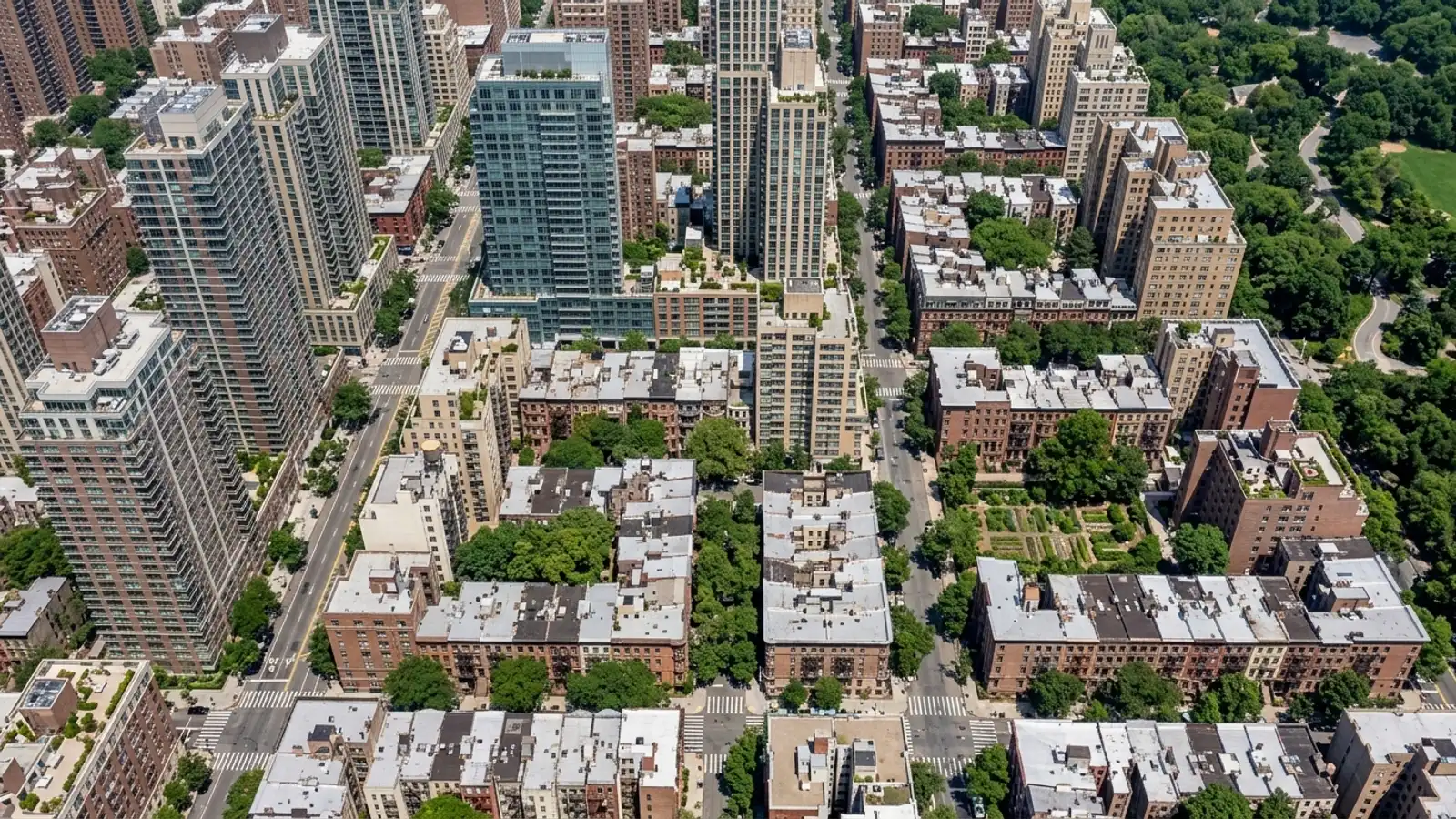
The median home price in Manhattan, NY sits around $1,450,000 as of mid-2026, with available inventory hovering near 5,715 units. If you’re coming from almost anywhere else in the country and weighing the pros and cons of living in Manhattan, the sticker shock is real – and it doesn’t stop at the mortgage.
True costs extend well past the monthly payment. Taxes, groceries, utilities – they all move in the same direction as the rent, and they compound fast.
Overall Expenses in New York County
Manhattan’s overall cost of living runs about 131% to 139% above the U.S. national average, which puts it at the top of most expense trackers in North America. BestPlaces assigns the borough a cost-of-living index score of 204.1, where 100 is the national baseline – a figure that accounts for housing, food, transit, and healthcare together.
The practical implication is straightforward: a salary that lets you live well somewhere else often just covers the basics here.
The Affordability Baseline
The median household income in Manhattan is $138,744. That number reflects what companies pay to attract workers who have to absorb local pricing – it’s not a coincidence that it runs well above most other metros.
Housing Prices and Monthly Rent
Real estate takes the biggest bite out of any Manhattan budget. Over the three months ending in May 2026, the median sale price for a home hit $1,450,000 – a 9.6% year-over-year increase.
Properties are sitting on the market for roughly 84 days before closing. With 698 homes sold in that period, an 8.2-month supply of inventory, and sellers still receiving about 99.3% of their list price on average, you have some room to look, but don’t mistake slower pace for a soft market.
Leasing an Apartment
Renters aren’t getting a break either. As of August 2026, the average rent for a Manhattan apartment is $5,778 per month – up 5.92% from the prior year. If you’re planning a multi-year stay, build annual escalations into your projections from the start.
Daily Bills: Food, Power, and Transit
Groceries for a single adult run around $9,768 per year, or about $814 per month – roughly 16% above the national average. Utilities come in about 17% higher than the U.S. average, though how much you actually pay depends on your building’s age and your apartment size.
Transportation is the one category where Manhattan occasionally works in your favor. Most residents rely on the subway and bus rather than paying for a parking garage and gas every month, and that trade-off matters when you’re stress-testing a budget.
State and Local Tax Rates
The combined sales tax rate in Manhattan is 8.875%. That breaks down as a 4% New York State rate, a 4.5% New York City local rate, and a 0.375% Metropolitan Commuter Transportation District surcharge.
Property taxes are where buyers often get surprised. New York County’s median effective property tax rate is roughly 5.03% – measured against market value – compared to the statewide median of 1.90% and the national median of 1.02%. Rates vary by ZIP code and property class within the county, so before you make an offer, pull the historical tax bills on the specific listing. Don’t rely on estimates.
Income and Salary Expectations
A single adult with no dependents needs around $131,388 before taxes to live comfortably here – meaning standard rent, utilities, and groceries without leaning on debt. The median household income of $138,744 tracks closely with that number, which tells you most households aren’t sitting on a lot of cushion.
Add dependents or a down payment savings goal, and required household earnings climb well above the median. If you’re targeting the $1,450,000 median home price, run your debt-to-income ratio before you fall in love with a listing.
Why New York County Real Estate Costs More
Manhattan is an island. It can’t grow outward the way a mainland city can, which puts a hard ceiling on how much new housing ever enters the market. The concentration of corporate headquarters and financial institutions keeps demand steady – professionals want to be close to their offices, and that pressure doesn’t let up.
Zoning rules and historic preservation districts add another constraint. They cap density in certain neighborhoods, which is part of why inventory sits at 8.2 months even when the market cools slightly. Supply has structural limits that no short-term slowdown fully erases.
Comparing Manhattan to Surrounding Areas
A lot of buyers start their search in Manhattan and gradually work outward – Brooklyn, Queens, neighboring states – as the numbers settle in. Those markets have their own price trajectories and they’ve climbed too, but the starting points are different.
If you’re weighing a job offer that requires relocating to New York County, a cost-of-living calculator will help you benchmark Manhattan’s 204.1 index score against other major metros. A salary that feels competitive in Chicago or Atlanta needs to be substantially higher here to deliver the same purchasing power.
Pros and Cons of a Manhattan Address
The transit access is genuinely hard to replicate. You can walk or take a short subway ride to almost any destination in the borough, and that saves real money and time over the course of a year.
The cost of entry is the obvious counterweight. A median sale price of $1,450,000 and average rent of $5,778 per month means housing consumes a large percentage of take-home pay for most residents. Space compounds the issue – you’re paying more per square foot and getting less of it than almost anywhere else in the country. Buyers who need a yard or a private garage typically look outside the borough.
Frequently Asked Questions
What salary is required to comfortably afford buying an apartment in Manhattan, NY?
A single adult with no dependents needs around $131,388 before taxes to live comfortably in the borough. Buying at the $1,450,000 median price will require higher household earnings depending on your down payment size.
How much should I budget for closing costs and the mansion tax when buying in Manhattan?
Upfront costs at closing can be significant. While specific mansion tax brackets vary, New York County properties carry a median effective property tax rate of 5.03% – that’s your ongoing baseline once you’re in the door.
How do co-op maintenance fees impact the true monthly cost of living in Manhattan?
They add a fixed monthly expense on top of your mortgage. With the median home price at $1,450,000 and utility costs already running about 17% higher than the national average, building maintenance fees are another layer of fixed cost to account for before you commit.
Are there hidden costs to owning a home in Manhattan, NY that buyers usually overlook?
The property tax burden catches people off guard most often – the median effective rate in New York County is 5.03%, well above both the statewide median of 1.90% and the national median of 1.02%. Everyday expenses pile on too: groceries alone run roughly 16% higher than the national average.
Is it currently more cost-effective to buy or rent real estate in Manhattan?
It depends on your timeline and how much capital you have available. Average rent is $5,778 per month right now, and the median purchase price is $1,450,000 with properties averaging 84 days to sell. Run the math against your specific situation rather than looking for a universal answer.
How much does the New York City resident income tax add to a Manhattan homeowner’s expenses?
The local income tax adds directly to your overall tax burden. On top of that, residents pay a combined sales tax rate of 8.875% on purchases – which includes the 4.5% local NYC rate and the 0.375% MCTD surcharge.
Social Cookies
Social Cookies are used to enable you to share pages and content you find interesting throughout the website through third-party social networking or other websites (including, potentially for advertising purposes related to social networking).