

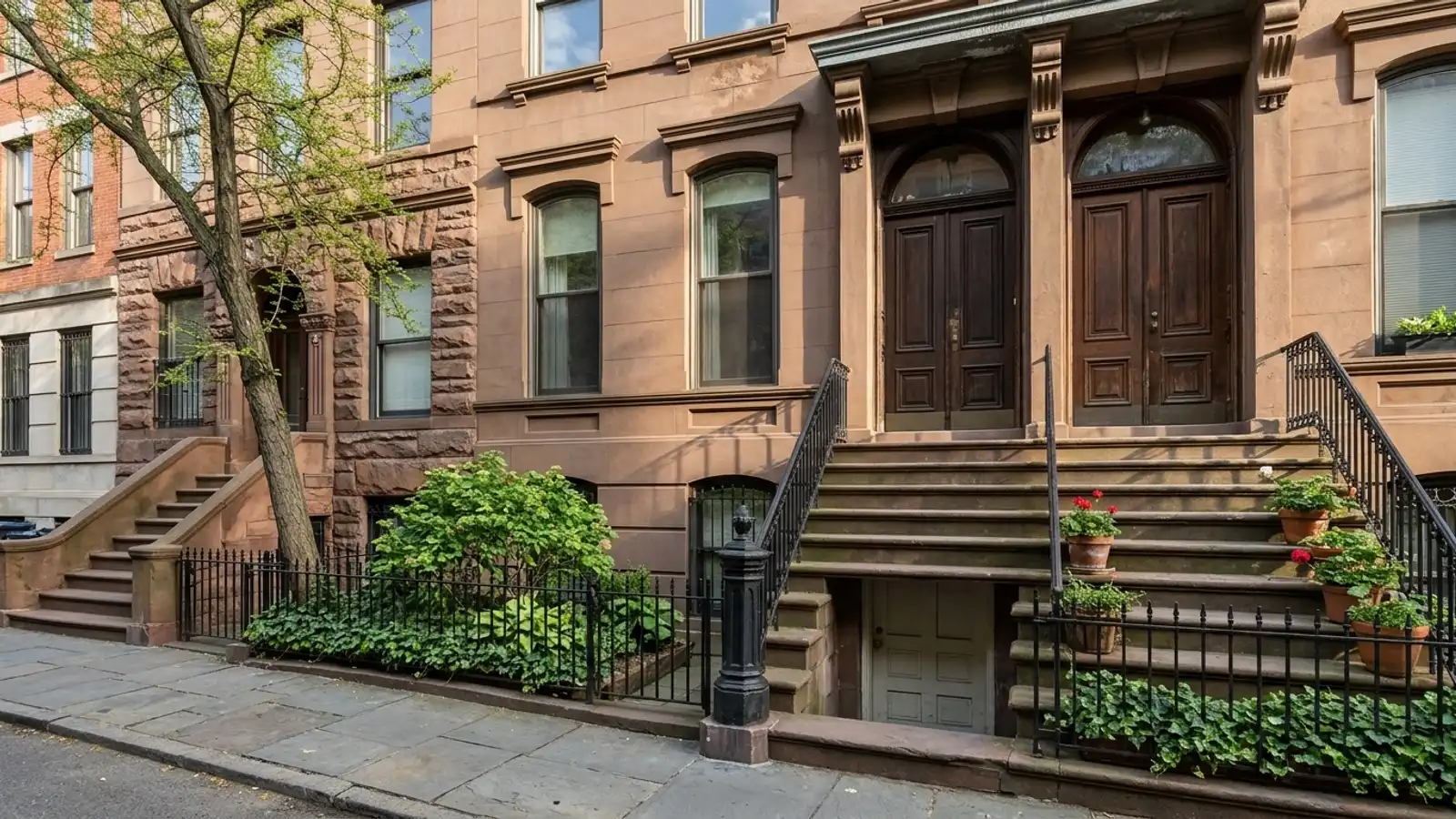
In Manhattan, a slow market costs sellers months rather than massive discounts. During the 90 days ending September 30, 2026, the median sale-to-list ratio stayed between 98.9% for single-family houses and the highest point for townhouses. At the same time, the median days on market stretched from 69 days for condos up to 166 days for single-family properties.
The real planning question is how many months your specific property type and building paperwork will take. About six out of seven sellers didn’t get a bidding war during this period, so planning around one is planning for the exception. Price correctly from day one instead of testing high and waiting.
Key Takeaway
Plan on roughly two and a half months to reach a signed contract, since the median Manhattan home spent 70 days on market in the 90 days ending September 30, 2026. Add closing time on top of that, and if you’re selling a co-op, that means board approval too. Price for the first weeks rather than testing high, because a slow market here costs you months more than it costs you dollars, and townhouse or single-family owners should budget well beyond that median.
Who This Guide Is For
You own a Manhattan apartment or house and need to know how many months to budget between deciding to sell and closing, so you can time a move or your next purchase.
How Long It Takes to Sell a Home in Manhattan
Across all property types, Manhattan homes close within about half a percentage point of their asking price. Time to contract runs from roughly two months to more than five depending on the type of property you own. The seller’s real variable is the number of months on market, not the final discount.
Days on market only counts the time up to a signed contract, not to closing. The full timeline equals your preparation time, plus days to contract, plus the closing process.
Is your home a co-op, a condo, a townhouse, or a single-family house? Start with your type’s profile in the property type section below, then read the contract-to-closing steps, because co-ops add a board review. Do you have a fixed date to be out, such as a purchase closing, a job start, or a lease end? Go to the planning section and count back from it.
Is your planned price set against recent sales of your type, or above them? Read what slows a sale down before you list. If certainty of timing is worth more to you than top price, review the FAQ on cash sales and compare a cash offer.
Timeline by Property Type
What you own sets the clock for your sale. Condos and co-ops make up the vast majority of the market, representing roughly 19 out of every 20 home sales in Manhattan during the recent quarter. Single-family houses and townhouses move on entirely different schedules.
Pricing against recent condo or co-op sales of your size from launch day gives you the shortest path to a signed contract on an apartment. A listing plan that budgets around three months to contract and clears open permits first works well if you want to sell a townhouse at or above asking. And if you want to close a single-family house by a fixed date, list at least six months before that deadline.
Condos and co-ops
Apartments are the Manhattan market, so the borough-wide median is effectively their number. Condos posted a 69-day median days on market in the 90 days ending September 30, 2026. An apartment priced in line with recent sales can expect a contract in a little over two months.
That clock stops at contract, not closing. A co-op still faces the board package and interview, and a condo may need the board to waive its right of first refusal. Both add weeks after that initial 69 days.
Townhouses
Townhouses were the only Manhattan home type whose median sale beat the asking price, landing at 100.1% of list during the recent quarter. They took an 84-day median to reach a contract, showing that a patient seller who prices correctly can still get asking. A quick price cut isn’t the move here.
What you give up is a simple due diligence period. Buyers are purchasing a whole building, so open permits or DOB violations surface during inspections and can stall a contract. Look up the property’s open permits and violations before listing to avoid that delay.
Single-family houses
Single-family houses took a median of 166 days just to reach contract, based on a small sample of 38 sales. Not one of those 38 houses sold for more than its asking price during the quarter. Buyers clearly set the pace here, so budget about half a year simply to reach a signed contract.
With so few sales, one unusual house can move the median. Treat 166 days as a rough planning floor rather than an exact forecast, and ask your agent for recent comparable house sales instead of relying on the borough figure.
The Manhattan Selling Process, Step by Step
The selling timeline breaks down into three distinct phases that you add together. The first happens entirely off the market while you prepare the property and gather building documents. The second is the active listing period measured by days on market. To prepare for these steps, review the process of selling a home in Manhattan.
The final phase stretches from the signed contract to the closing table. This is where Manhattan differs from most other housing markets, because of building-level approvals. Ask your attorney for a realistic contract-to-close estimate for your specific building type.
Before you list
Hire a real estate attorney and handle photography and minor fixes before going live. For apartments, request the offering plan or proprietary lease, recent financials, and board minutes from the managing agent. New York’s Property Condition Disclosure Act applies to one-to-four-family houses, but it does not apply to condo or co-op units.
Building documents depend on the managing agent’s turnaround time and often carry a fee. Ask how long the document package takes and what it costs before you set a listing date.
From listing to accepted offer
This is the window the days on market metric measures. The first weeks bring the most attention, and you’re competing with thousands of other listings. There were 5,660 homes for sale in Manhattan during the recent 90-day period.
Until the contract is signed, a buyer can walk away. In New York, an accepted offer isn’t binding until both sides sign the contract the attorneys negotiate. Attorney review adds days before you’re truly in contract, so an accepted offer doesn’t stop the clock in any practical sense.
From contract to closing
After the contract is signed, condos typically wait for the board to issue a right-of-first-refusal waiver. Co-op sales require the buyer to submit a board package, pass the managing agent’s review, and complete an interview. Financed buyers also need time to clear the mortgage commitment contingency period, while houses and townhouses skip the board entirely.
A board rejection or a buyer’s failed financing sends you back to the listing phase. New York co-op boards generally don’t have to give a reason when they reject a buyer. That effectively restarts the clock on your sale.
What Slows a Manhattan Sale Down
Manhattan had 6.1 months of supply across all homes in the 90 days ending September 30, 2026. Buyers have about half a year of choice, so a listing priced above recent comparable sales gets compared and passed over. Because the median sale-to-list ratio ends up near 100% anyway, overpricing rarely wins more money. It mostly costs you time.
Building-level issues will also stall a transaction when the buyer’s attorney uncovers them. Ask the managing agent about any pending or planned assessments, building litigation, or upcoming maintenance increases. Check whether the building charges a flip tax on sales and how it’s calculated.
How to Plan Your Sale Around a Move Date
If you’re a co-op owner who must close by a set date, such as June 30 for a new purchase, you plan backward. Start by subtracting the contract-to-close period your attorney estimates for board approval and financing. Next, subtract the condo median of 69 days to contract, and finally, deduct the prep weeks your managing agent needs for document turnaround to find your latest possible listing date.
The same math applies to a single-family owner, but you substitute the 166-day median to contract. Remember the small sample size for houses, and check the FAQ on the hardest month to list to avoid seasonal slowdowns. Michael J. Franco can map this timeline for a specific building and help you set a target date.
At a Glance
- All homes: median 70 days on market (90 days ending 2026-09-30)
- All homes: median sale price $1,329,367, up 3.4% year over year (90 days ending 2026-09-30)
- All homes: median sale-to-list 99.5%; 14% sold above list (90 days ending 2026-09-30)
- All homes: 6.1 months of supply; 5,660 homes for sale; 2,836 sold; median $1,442 per sq ft (90 days ending 2026-09-30)
- Condo: median 69 days on market; median sale price $1,274,869, up 4.1% year over year (90 days ending 2026-09-30)
- Condo: 14.2% sold above list; 5.8 months of supply; 5,140 for sale; 2,707 sold; median $1,448 per sq ft (90 days ending 2026-09-30)
- Townhouse: median 84 days on market; median sale price $2,385,028, down 0.6% year over year; median sale-to-list 100.1%; 14.6% sold above list (84 sales, 90 days ending 2026-09-30)
- Townhouse: 8 months of supply; 219 for sale; median $1,310 per sq ft (90 days ending 2026-09-30)
- Single family (based on 38 sales, so treat with caution): median 166 days on market; median sale price $6,172,539, up 45.8% year over year, a swing that can reflect which homes happened to sell (90 days ending 2026-09-30)
- Single family (based on 38 sales): median sale-to-list 98.9%; 0% sold above list; 11.9 months of supply; 146 for sale; median $1,494 per sq ft (90 days ending 2026-09-30)
Manhattan Home-Selling Timeline FAQs
Is it a good time to sell an apartment in Manhattan?
The condo median sale price rose 4.1% year over year in the 90 days ending September 30, 2026, showing modest price growth. Only 14.2% of condos sold above list, though, meaning most apartments don’t draw over-asking bids. Timing the market matters less than pricing your unit correctly from the start.
How long should you live in your home before you sell it?
To claim the federal home-sale exclusion, you must have owned the home for at least two years and lived in it as your main home for at least two years during the five-year period before the sale. These two periods can be different, but both must fall within that five-year look-back window. Confirm your ownership and residence dates with a tax professional before relying on the exclusion.
What is the hardest month to sell a home in Manhattan?
December is historically the slowest month for new listings, averaging just 730 entries between 2016 and 2025. New listings peak in September, while contract activity tends to be strongest in March, April, May, June, and October. A slow month at listing pushes your contract and closing later into the year.
What percent is a lowball offer on a Manhattan home?
There’s no fixed percentage that defines a lowball offer. The all-homes median sale-to-list ratio was 99.5% in the 90 days ending September 30, 2026, showing that the typical sale closes within about half a percent of asking. An offer far below that is out of line with how most homes here sell, but compare any offer against recent sales of your specific property type.
Will Manhattan home prices crash in 2026?
The all-homes median sale price increased by 3.4% year over year in the 90 days ending September 30, 2026. That points to modest growth rather than a crash in the current market.
How long should a Manhattan listing sit before you cut the price?
Compare your days on market against your property type’s median rather than the borough-wide average. If your condo has sat past the 69-day median without an offer, it’s time to weigh showing traffic and buyer feedback with your agent.
Do sellers pay transfer tax when selling in Manhattan?
Yes, sellers generally pay both city and state transfer taxes. The NYC Real Property Transfer Tax is 1% on residential sales of $500,000 or less, and 1.425% on sales over $500,000. New York State adds a base tax of 0.4%, plus an additional tax on NYC residential sales of $3 million or more, so your attorney will confirm the exact amounts at closing.
Can selling for cash shorten the timeline in Manhattan?
An all-cash buyer removes the mortgage commitment contingency, which speeds up the contract phase. A co-op board review and interview still applies regardless of how the buyer pays, though. Michael J. Franco can compare a cash offer with a market listing to help you weigh the timeline.
Sources
- Redfin: Data Center
- New York Attorney General: 13 NYCRR 20.3
- New York State Senate: Real Property Law 462
- NYC Department of Buildings: DOB Violations
- NYC 311: Real Property Transfer Tax
- NYS Department of Taxation and Finance: M19-1R
- IRS: Publication 523
- Commercial Observer: Manhattan Housing Seasonality
Social Cookies
Social Cookies are used to enable you to share pages and content you find interesting throughout the website through third-party social networking or other websites (including, potentially for advertising purposes related to social networking).