

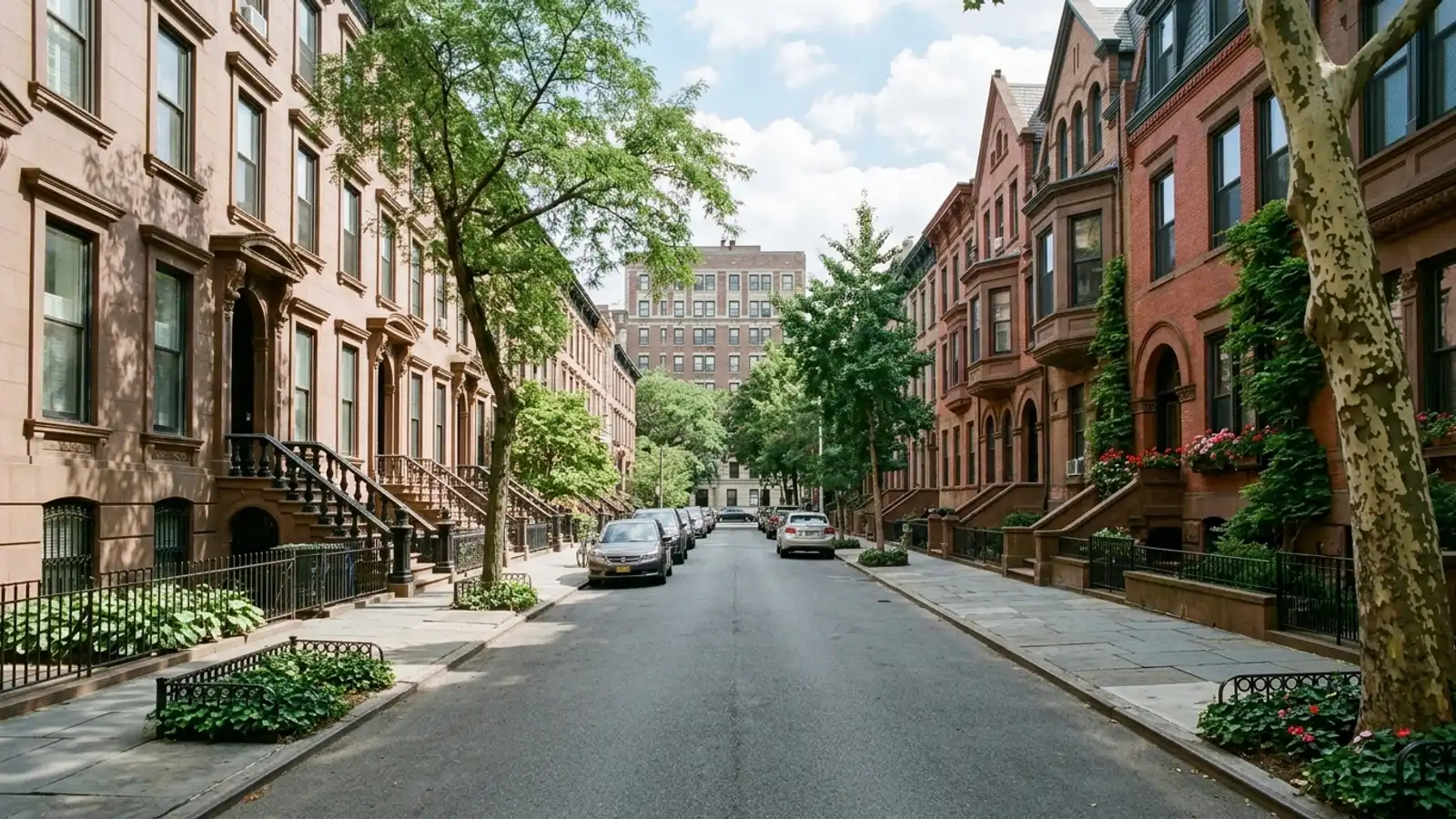
The median home price in Manhattan, NY, recently hit $1,329,367. When you’re preparing to list a condo, co-op, or townhouse, the first real question is which upgrades will return something, and which ones buyers already expect as standard.
A lot of sellers assume a gut renovation locks in a bigger profit. The data doesn’t support that. With homes closing at 99.5% of list price, the asking price is essentially the ceiling on what you’ll walk away with. Whether you renovate, refresh, or sell as-is comes down to one thing: what can you do to defend a stronger asking price?
Key Takeaway
To add value to a Manhattan home before selling, start with repairs, paint, lighting, and staging that justify a stronger asking price. Only 14% of recent sales closed above list, meaning buyers rarely bid past the asking price for upgrades. Save a kitchen or bath renovation for a unit that is clearly behind comparable sales in its building, where the higher price per square foot outweighs board approval time and carrying costs.
Who This Guide Is For
You own a Manhattan condo, co-op, or townhouse, plan to sell within the next year or so, and are deciding whether to renovate, refresh, or list as-is.
How Home Value Works in Manhattan Right Now
In Manhattan, value is set at the list price, not won in a bidding war. With 6.1 months of supply, the value you add comes from fixes and upgrades that let you defend a higher price per square foot against competing listings. Renovations made in hope of overbids rarely pay back, especially in townhouses and single-family homes, where 0% of the 38 recent single-family sales closed above list.
A sale-to-list ratio just under 100% means the typical seller gets almost exactly what they ask, so the asking price is where value is won. With supply at 6.1 months, buyers have time to compare your home against a field of listings on price per square foot. You close the gap between your home and the best comparable listing, and you can defend a higher asking price. You can review the latest Manhattan housing market trends to see how these numbers shift over time.
The downside to this pricing dynamic is straightforward: a stronger asking price only holds if the home’s condition matches it in photos and showings.
Manhattan Home Values at a Glance
Compare your home against sales in your own building or line when reviewing these figures. Borough medians mix very different properties.
- Median sale price, all homes: $1,329,367 (90 days ending 2026-09-30)
- Median price per square foot, all homes: $1,442 (90 days ending 2026-09-30)
- Median days on market, all homes: 70 (90 days ending 2026-09-30)
- Sale-to-list ratio, all homes: 99.5%; share sold above list: 14% (90 days ending 2026-09-30)
- Months of supply, all homes: 6.1; active inventory: 5,660 homes (90 days ending 2026-09-30)
- Condos: median sale price $1,274,869, up 4.1% year over year; median $1,448 per sq ft; 2,707 sales (90 days ending 2026-09-30)
- Townhouses: median sale price $2,385,028, down 0.6% year over year; median $1,310 per sq ft; 84 median days on market; 84 sales (90 days ending 2026-09-30)
- Single-family homes: median sale price $6,172,539, up 45.8% year over year, based on 38 sales, where a few large sales can swing the median; 166 median days on market (90 days ending 2026-09-30)
Low-Cost Fixes That Support a Higher Asking Price
For most apartment sellers, repairs, paint, lighting, and staging are the right place to start. Fix what a buyer’s engineer or attorney will flag: leaks, dead outlets, stuck windows, broken appliances. Fresh paint, brighter lighting, and window treatments that show light and views make a real difference on a tour.
Closet editing and staging change the listing photos and first showings for both occupied and vacant units. This is where a buyer decides whether your asking price per square foot is credible. Get two staging quotes and confirm whether furniture rental is month-to-month so you can budget accurately.
Before you list, search DOB NOW for open permits or violations on your unit and building, because they can delay a closing. Property owners and the public can look up open DOB permits, violations, and complaints by address or BBL through DOB’s official online systems. DOB NOW is the department’s current platform for active permit filings and newer violations; the legacy BIS system holds historical records. The NYC Department of Buildings’ own page allows you to request full property history records, with a borough office pickup once they’re available.
Before setting your price, pull recent sales in your building and line, and confirm how your square footage was measured, since listing estimates vary.
What you give up with this approach is the ability to lift a unit priced against renovated comps. Cosmetic fixes don’t change the floor plan, a dated kitchen, or the building itself.
Renovations That Raise the Price per Square Foot
If your condo is clearly behind renovated units in its building, a kitchen or bath refresh that keeps plumbing in place costs far less than a gut renovation or a layout change, such as adding a second bath or converting an alcove into a bedroom.
If you plan to add a bedroom, treat legal light-and-air requirements as a research item before anything else. Under NYC Building Code and Housing Maintenance Code standards, every legal bedroom must have proper light and air, including a window opening onto a street, yard, or court on the same lot. The window area must equal at least 10% of the room’s floor area, with an operable area equal to at least 5% of the floor area for ventilation.
The math on a refresh can work. Consider a 1,000-square-foot condo valued at the condo median of $1,448 per square foot. If a refresh lets you defend a 3% higher price per square foot, that adds about $43,000 to your sale price. Weigh that return against the project cost plus the months of common charges, taxes, and mortgage payments you carry while waiting for approval and construction.
For context: in the 2025 Cost vs. Value Report for the Middle Atlantic region, a midrange minor kitchen remodel had a job cost of $31,212 with a resale value of $33,456, recouping 107.2% of the cost. A midrange bath remodel had a job cost of $30,158 with a resale value of $24,097, recouping 79.9% of the cost. Targeted updates often return a higher percentage of your money than structural changes.
Board approval and alteration agreements
In co-ops and most condos, work that touches plumbing, gas, walls, or floors needs the building’s alteration agreement. That process typically requires architect drawings, contractor insurance certificates, a deposit, and DOB permits. Per NYC DOB’s official guidance, construction plans and permits may be required for kitchen and bathroom renovations depending on the complexity of the work. If the project’s scope requires plans and permits, a New York State licensed professional engineer or registered architect must be hired.
Most kitchen and bathroom renovations require an ALT2 permit application filed by an engineer or architect, such as when adding a new bathroom, rerouting gas pipes, or moving a load-bearing wall. Ask the managing agent how long alteration review and purchase-application review typically take, the permitted work hours, and any summer-only rules for major work.
No work can start until approval, and permits must be signed off before closing. A renovation started too late delays a sale instead of helping it. A renovation that pushes your unit above the best sale in your building often isn’t paid back, because buyers compare within the building first.
How Townhouse and Single-Family Values Differ
Townhouse and single-family sellers should start with the right comps and documented mechanical upgrades, not condo price-per-square-foot figures. Townhouses recently sold at a median $1,310 per square foot and closed at 100.1% of list based on 84 sales. Pricing a townhouse off condo comps overstates it, but a townhouse priced accurately against other townhouse sales still sells at asking.
Townhouse buyers price in the condition of the roof, boiler, facade, and electrical systems. Mechanicals and maintenance records add more defensible value than high-end finishes.
For single-family homes, 0% sold above list and supply was 11.9 months based on 38 sales. Upgrades don’t create competition at this level. Price drives the result.
Since March 1, 2002, the Property Condition Disclosure Act has required a seller of residential real property to deliver a Property Condition Disclosure Statement to the buyer before they sign a binding contract. A 2023 amendment, effective March 20, 2024, removed the prior option for sellers to give a $500 credit in lieu of providing the disclosure and expanded the required questions regarding flood zones and insurance. Confirm with your attorney which disclosure obligations apply to your property.
The other thing to know about selling a house: a buyer’s inspection goes deeper than an apartment review, so unaddressed deferred maintenance becomes a direct price negotiation.
Pricing and Timing When You Sell
Your listing competes with 5,660 active homes, so the asking price has to hold up on a price-per-square-foot basis against what a buyer is touring that same week. One threshold worth knowing: the condo median of $1,274,869 sits above the buyer-paid mansion tax threshold. A price just over that line costs the buyer extra, so the threshold matters when setting your final number and calculating buyer closing costs.
Pricing high to leave room for negotiation backfires when few homes sell above asking. Buyers notice when a property sits, and price cuts read as a stale listing, not a premium opportunity. An aggressively accurate price is your best tool. The downside is that even a well-chosen price depends on your presentation holding up in the first weeks of showings. Balancing price and presentation is a key step when selling a home in Manhattan.
Renovate, Refresh, or Sell As-Is: How to Decide
When you’re getting ready to sell, weigh your home’s condition against the cost of delays. These four questions will help you choose your path:
- Is your home in noticeably worse condition than recent sales in your building or line? If yes, read the section on renovations that raise the price per square foot. If it’s comparable, low-cost cosmetic fixes are likely enough.
- Can you carry the home through board approval, permits, and construction before listing? If not, the as-is path is your best option.
- Is it an apartment or a townhouse? Townhouse and single-family owners should review how those property values differ before spending on finishes.
- Can you defend your list price per square foot against what’s on the market today? If you’re unsure, start by analyzing pricing and timing.
Keep receipts for capital improvements and ask your accountant how they affect your cost basis. Per IRS Publication 523, a home’s adjusted basis is generally the cost to acquire it plus the cost of any capital improvements made, minus casualty loss amounts and other decreases. Capital improvements increase basis and thereby reduce taxable gain on sale, though this is not tax advice.
Look up your building’s flip tax in the offering plan or proprietary lease before you count your net proceeds. Michael J. Franco can pull recent sales in your building and line before you commit to a project, helping you find the best real estate agent representation. Selling as-is means the buyer prices in their own renovation budget and timeline, so expect offers to reflect those upcoming costs.
Manhattan Home Value FAQs
How long does it take to sell a home in Manhattan?
The median time on market is 70 days, based on recent data. That number excludes the co-op board package review after contract and any condo right of first refusal. Ask your managing agent for typical review times in your building to get an accurate picture of your full timeline.
What is the best time of year to list a home in Manhattan?
Spring is historically the most active season for new contracts. Miller Samuel’s Manhattan sales reports show seasonal patterns where new signed contracts typically rise in spring months and taper in summer, with a 2025 report noting summer is usually slower than the rest of the year. The pre-listing steps on this page take lead time, so plan your repairs well before the spring market.
Do I need a permit to renovate a kitchen or bathroom in a Manhattan apartment?
It depends on the scope of the work. For the permit requirements and board approval steps, see the board approval and alteration agreements section above.
Will renovating raise my property taxes in New York City?
It’s unlikely to directly trigger a tax increase for an individual unit. The NYC Department of Finance values Class 2 properties, including condos and co-ops, based on the building’s income-producing potential rather than individual unit finishes. Co-op buildings receive one Market Value for the entire building, while condo units are valued using an interest percentage provided by the condo board.
How much are seller closing costs in Manhattan?
Your largest cost is usually the Real Property Transfer Tax. For residential sales in NYC, the rate is 1% if the consideration is $500,000 or less, and 1.425% if it’s more than $500,000. Attorney fees and any building flip tax vary, so check your proprietary lease or offering plan for specific flip tax rates.
Are home values going up or down in Manhattan?
It depends on the property type. Condo prices recently rose 4.1% year over year, giving sellers mild tailwinds, while townhouse prices fell 0.6%, meaning sellers shouldn’t count on appreciation. Single-family homes showed a 45.8% increase based on just 38 sales, but a few large sales can swing that median.
Sources
- Redfin: Data Center
- NYC Department of Buildings: Info for Property Owners
- WH Firm: What Legally Counts as a Bedroom in New York City
- JLC Online: 2025 Cost vs. Value Report Middle Atlantic
- NYC Department of Buildings: Renovating Kitchens & Bathrooms
- NYSBA: PCDA Amended
- IRS: Publication 523
- Miller Samuel: New York City Market Report Methodology
- NYC BERS: Class 2 Guide
- NYC 311: Real Property Transfer Tax
Social Cookies
Social Cookies are used to enable you to share pages and content you find interesting throughout the website through third-party social networking or other websites (including, potentially for advertising purposes related to social networking).